NSP Coco Flax technology is the first SUP and surf construction made from all natural coconut fibers.
NSP offers one of the most impressive constructions you will ever use for your SUP and surf boards, made possible by randomly integrating the erratic coconut fibers with a layering process using NSP's unique technology. The most impressive feature of coconut husk fiber is its incredible strenght/weight ratio. After hundred of sailing hours and multiple lab tests, we have recognized that by using the Coco Flax structure you can get both the lightest and strongest SUP and surf boards in the market.
Click here for more info about Coco Flax technology.
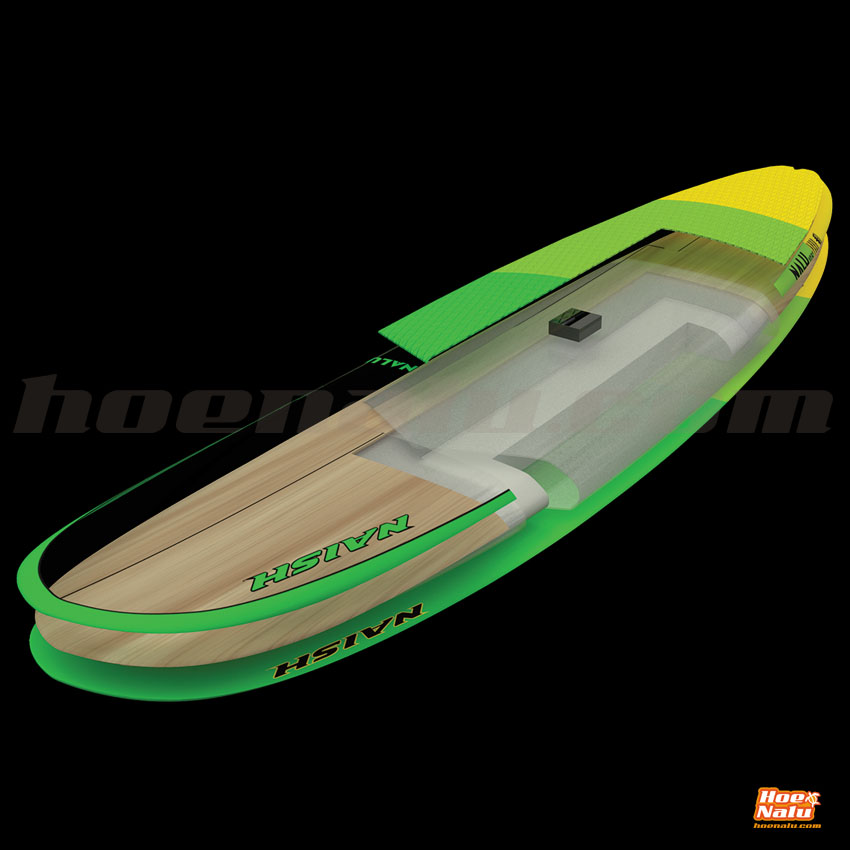
The exclusive Slingshot technology certifies a durable SUP board with high resistance to bumps and scratches, preserving an important balance with the weight.
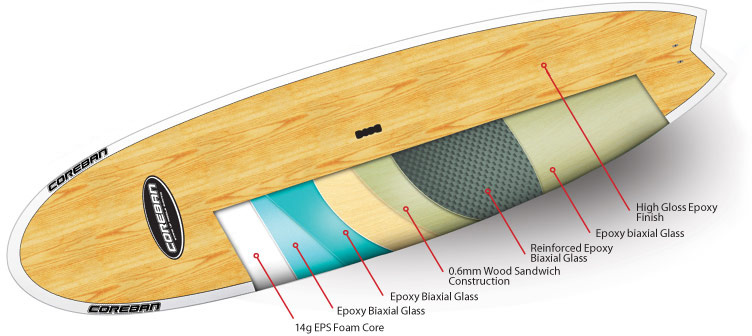
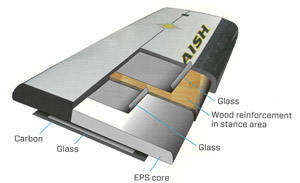
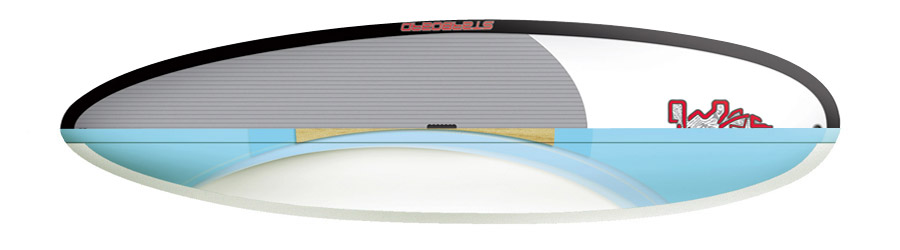
The Wood WVS technology is made from a wooden structure shaped like a sandwich, guaranteeing excellent performance and impact resistance.
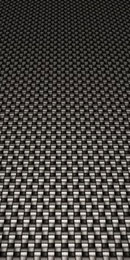
Composite material with properties similar to steel but, at the same time, as light as wood or plastic.
Its resistance is almost 3 times superior to that of steel and its density is 4,5 times lower.
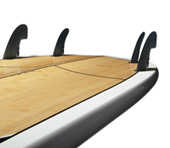
The coating on this board comes with a wooden lower layer followed by a fiberglass layer covering the core.
On the other hand, the cover is completely made out of fiberglass.